Source Heavy Industry Swivel Lifting Hook for Automotive, Construction, and Mining
Explore 30 listings for the Heavy Industry Swivel Lifting Hook suitable for automotive, heavy industry, and general industrial applications. Buyers can compare specifications including load capacity, material strength, and surface finishes to find the right solution.
Key considerations
Products List


Super supplier heavy eye hoist hook swivel lifting hook lifting swivel hooks
$100.00 - $105.00
MOQ: 1 Pieces

High Quality Stainless Steel Sling Safety Swivel Crane Hook Swivel Selflock Hook for Lifting
$100.00 - $105.00
MOQ: 1 Pieces

Good quality hot sale china manufacture large lifting capacity crane hook
$100.00 - $105.00
MOQ: 1 Pieces


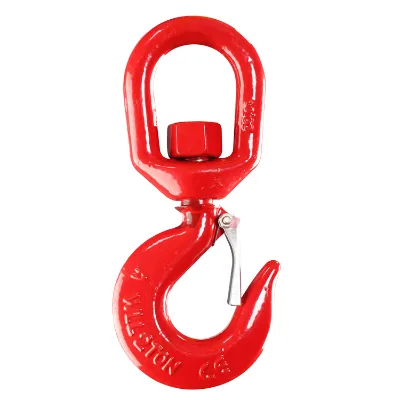


Forged Swivel Hook/Forged Safety Hook Crane Swivel Hook with Safety Latch
$5.00 - $20.00
MOQ: 50 Pieces


Comprehensive Sourcing Guide
Strategic Sourcing Guide for Heavy Industry Swivel Lifting Hooks
Understanding Product Variants and Core Technical Specifications
When sourcing heavy industry swivel lifting hooks, buyers must first navigate a complex landscape of product variations that share the same core keyword but differ significantly in material composition, manufacturing processes, and intended load capacities. The market data indicates a diverse range of specifications, from standard single hooks to specialized swivel mechanisms designed for dynamic lifting environments. A critical observation in the current supply base is the variation in manufacturing techniques. Some units are produced via drop forging, a process that aligns grain structure with the hook's shape to enhance tensile strength, while others utilize hammer forging. These distinct processes directly influence the mechanical properties and durability of the final product.
Material selection is another pivotal technical factor. The available inventory includes hooks constructed from alloy structural steel, which is often preferred for high-stress applications due to its superior strength-to-weight ratio. In contrast, other listings specify low carbon steel or general metal compositions, which may be suitable for lighter duty cycles but require careful verification for heavy industry use. The surface treatment also varies, with options ranging from powder plastified finishes to zinc or brass plating. These coatings are not merely aesthetic; they serve as the primary defense against corrosion, a critical consideration for hooks operating in harsh industrial environments. The observed color palette includes red, silver, dark blue, green, black, and rose gold, though the functional finish is typically determined by the underlying coating process rather than the color itself.
The load capacity of these hooks spans a massive range, with documented ratings extending from 1.12 tons up to 30 tons, and some specialized webbing sling configurations supporting loads up to 1000 tons. This disparity underscores the necessity for buyers to precisely define their operational requirements before engaging suppliers. The size specifications are often customizable, with some manufacturers offering standard ranges from 1/2 ton to 15 tons, while others produce to exact customer requirements. Furthermore, the safety factor is a non-negotiable technical metric; reliable products in this category typically demonstrate a safety factor of six times the rated load, ensuring a significant margin of safety against dynamic shock loads common in heavy lifting.
Compliance, Certification, and Material Standards Verification
In the heavy industry sector, compliance with international standards is not optional but a fundamental requirement for operational safety and liability protection. Buyers must rigorously verify that the supplier's products adhere to recognized grading systems. The market data highlights specific grade classifications such as grade 4, grade 30, grade 80, and grade 120. Among these, Grade 80 is widely recognized in the lifting industry for its high tensile strength and is frequently associated with alloy steel hooks used in critical lifting operations. However, the presence of other grades in the data suggests a need for buyers to confirm which grade corresponds to their specific load requirements and regulatory environment.
Certification verification is equally critical. While some listings mention ISO certification, others reference CE and SGS marks. These certifications indicate that the product has undergone specific testing protocols for material integrity and load-bearing capacity. However, the presence of a certification claim on a product page does not guarantee that every unit in a specific batch is certified. Buyers must request current, valid certificates that are traceable to the specific production batch or model number, such as the HD078 model observed in the data. It is essential to distinguish between material certifications, which verify the chemical composition of the steel, and product certifications, which validate the final manufactured item's performance under load.
The origin of the product also plays a role in compliance. A significant portion of the supply base originates from China, with specific manufacturing hubs noted in regions like Zhe and Shiyan, Hubei. While these regions are major centers for steel production, buyers should ensure that the specific factory has the necessary quality management systems in place to maintain consistent adherence to international standards. The "Steel" standard listed in the data is a generic descriptor; buyers should seek specific material standards, such as ASTM or DIN equivalents, that match the alloy structural steel or low carbon steel specifications required for their application. Without explicit verification of these standards, the risk of procuring substandard equipment that fails under heavy load increases significantly.
Cost Drivers and Pricing Dynamics in the Hook Market
The pricing structure for heavy industry swivel lifting hooks is influenced by a complex interplay of material costs, manufacturing complexity, and order volume. The observed price range in the market is extensive, spanning from $0.05 to $220 per unit. This wide variance is not indicative of quality differences alone but reflects the vast differences in size, load capacity, and material composition. A small, single-hook component may fall at the lower end of this spectrum, while a heavy-duty, alloy-steel swivel hook with a 30-ton capacity will command a premium price.
Material costs are a primary driver of the final price. Alloy structural steel, which offers higher strength and durability, is inherently more expensive than low carbon steel. Consequently, hooks made from alloy steel will carry a higher price tag. Additionally, the surface treatment process adds to the cost. Powder coating, zinc plating, or brass plating involves additional chemical and labor inputs compared to a bare metal finish. The choice of packaging also impacts the final cost; options such as wooden cases, woven bags, or custom palletized shipments require different levels of material and labor, which are factored into the unit price.
Order volume is another significant factor. The minimum order quantity (MOQ) observed in the market ranges from 1 to 1000 units. Suppliers often offer tiered pricing structures where the unit cost decreases as the order volume increases. For buyers requiring large quantities for heavy industry projects, negotiating based on volume can yield substantial savings. However, buyers must balance cost savings with the need for customization. Custom sizes and specific color requirements, such as the red or dark blue options available, may incur additional tooling or setup costs, potentially offsetting the volume discount. Lead time is also a cost consideration; while a standard delivery time of 7 days is observed, expedited orders or custom manufacturing runs may require longer lead times, impacting project schedules and overall procurement costs.
Typical Applications and Operational Contexts
Heavy industry swivel lifting hooks are designed for a wide array of demanding applications, primarily within the automotive and heavy industry sectors. The versatility of these hooks allows them to be utilized in various lifting scenarios where rotation is necessary to prevent cable twisting and ensure smooth load handling. In the automotive industry, these hooks are often employed in assembly lines for moving heavy components, engines, or chassis parts. The ability of the swivel mechanism to rotate under load is crucial in these environments to maintain alignment and reduce stress on the lifting equipment.
Beyond automotive manufacturing, the heavy industry sector relies on these hooks for construction, shipbuilding, and general material handling. The observed load capacities, ranging from 1 ton to 30 tons, make them suitable for lifting large structural steel beams, machinery parts, and industrial equipment. The "Safety Hook" and "Swivel Hook" designations in the product data suggest specific use cases where safety latches are required to prevent accidental disengagement of the load. This is particularly important in environments where the load may swing or rotate unpredictably.
The classification of these hooks into ordinary, fireproof, and protective types indicates specialized applications. Fireproof hooks are essential for industries where high temperatures are a risk, such as foundries or steel mills, ensuring the integrity of the lifting equipment under extreme thermal conditions. Protective types may be designed to shield the load or the hook itself from abrasion and impact. The "Webbing Sling" classification in the data also points to applications where the hook is used in conjunction with flexible lifting media, requiring a specific interface between the rigid hook and the flexible sling. Understanding these application contexts is vital for buyers to select the correct hook type that matches their specific operational environment and safety requirements.
Supplier Evaluation and Quality Control Protocols
Evaluating suppliers for heavy industry swivel lifting hooks requires a multi-faceted approach that goes beyond simple price comparison. Buyers should prioritize suppliers who demonstrate transparency in their manufacturing processes and quality control measures. The observation of specific processes like "drop forged" and "hammer forged" suggests that buyers should request detailed information about the forging equipment and heat treatment procedures used. These processes are critical for ensuring the metallurgical properties of the steel meet the required strength standards.
Quality control protocols should be a central part of the supplier evaluation. Buyers must verify that the supplier conducts rigorous testing, including load testing, tensile strength testing, and visual inspections for surface defects. The "Safety Factor" of six times the rated load mentioned in the data should be a baseline requirement, but buyers should also inquire about the testing frequency and the independence of the testing bodies. Certification documents like ISO, CE, and SGS should be reviewed for validity and scope, ensuring they cover the specific product models being purchased.
Supplier location and logistics capabilities are also important factors. With origins noted in China, specifically in regions like Zhe and Shiyan, Hubei, buyers should assess the supplier's ability to manage international shipping and customs clearance. The packaging options, ranging from cartons and wooden cases to pallets and gunny bags, should be evaluated for their ability to protect the hooks during transit. Customized packing options are available, which can be beneficial for large orders or specialized shipping requirements. Additionally, the lead time of 7 days observed in the data should be confirmed as a standard baseline, with clear communication regarding potential delays for custom orders.
Long-Term Procurement Considerations and Maintenance
Sourcing heavy industry swivel lifting hooks is not a one-time transaction but part of a long-term procurement strategy that includes maintenance, inspection, and lifecycle management. Buyers should consider the durability and maintenance requirements of the hooks they purchase. The "No rust" feature highlighted in the product data is a significant advantage, but it is contingent on the quality of the surface treatment and the operating environment. Even with powder-coated or plated finishes, regular inspection is necessary to detect signs of wear, corrosion, or deformation that could compromise safety.
Customization availability is a key long-term consideration. As industrial needs evolve, the ability to source hooks with specific sizes, colors, or load ratings becomes increasingly important. The "Customize Each Size" and "as Customer Requirement" specifications in the data indicate that suppliers are capable of tailoring products to specific needs. However, buyers should establish a long-term relationship with suppliers who can consistently deliver these custom specifications without compromising quality or lead times.
Inventory management is another aspect of long-term procurement. With MOQs ranging from 1 to 1000 units, buyers can choose to maintain a small stock of critical spare parts or order in bulk to reduce per-unit costs. The "Carton+Pallet" and "Woven Bags or Cardboard Boxes" packaging options offer flexibility in storage and handling. Buyers should also consider the availability of replacement parts and the supplier's support for warranty claims. A reliable supplier will provide clear guidelines on inspection intervals, maintenance procedures, and criteria for decommissioning hooks that have exceeded their service life.
| Feature Category | Standard Observation | Buyer Verification Requirement |
|---|---|---|
| Manufacturing Process | Drop Forged, Hammer Forged | Verify heat treatment logs and grain structure analysis. |
| Material Grade | Grade 4, 30, 80, 120 | Confirm specific grade matches load requirements and safety codes. |
| Surface Finish | Powder Plastified, Zinc, Brass | Inspect coating thickness and adhesion for corrosion resistance. |
| Load Capacity | 1.12t - 30t, up to 1000t (sling) | Validate rated capacity with independent load test certificates. |
| Safety Factor | 6 Times Rated Load | Ensure this factor is explicitly stated in the product datasheet. |
| Packaging | Carton, Wooden Case, Pallet | Confirm packaging meets shipping and storage requirements. |
| Origin | China (Zhe, Shiyan, Hubei) | Verify factory audit reports and quality management systems. |
By adhering to these detailed sourcing guidelines, buyers can navigate the complexities of the Heavy Industry Swivel Lifting Hook market with confidence. The focus on technical specifications, compliance, cost drivers, and long-term maintenance ensures that the procured equipment meets the rigorous demands of industrial lifting operations while maintaining the highest standards of safety and reliability.
FAQs
What manufacturing processes are used for these hooks?
These hooks are produced using drop forging and hammer forging processes. Drop forging aligns the grain structure to enhance tensile strength, while hammer forging is also utilized to shape the metal for durability in heavy industry applications.
Which material grades are available for these lifting hooks?
Available material grades include grade 4, grade 30, grade 80, and grade 120. Grade 80 is frequently associated with alloy steel hooks used in critical lifting operations requiring high tensile strength and superior safety margins.
Can I customize the size and color of the hooks?
Yes, customization is available for both size and color. Buyers can request specific sizes ranging from 1/2 ton to 15 tons or custom requirements, and colors include red, silver, dark blue, green, black, and rose gold.
What is the typical delivery time for these products?
The standard delivery time is 7 days for most orders. This lead time applies to standard configurations, though custom manufacturing runs or large volume orders may require adjusted scheduling based on supplier capacity.
What certifications do these hooks typically hold?
Common certifications include ISO, CE, and SGS marks. These indicate that the products have undergone specific testing protocols for material integrity and load-bearing capacity, though buyers should verify certificates for specific production batches.
How is the safety factor determined for these hooks?
Reliable products in this category typically demonstrate a safety factor of six times the rated load. This ensures a significant margin of safety against dynamic shock loads common in heavy lifting environments and industrial applications.
What packaging options are available for shipping these hooks?
Packaging options include cartons, wooden cases, pallets, woven bags, and gunny bags. Customized packing is also available to protect the hooks during transit and meet specific logistical requirements for large industrial orders.